Transcranial Magnetic Stimulation TMS Machine for Alzheimer’s and Depression
€857.34 EUR
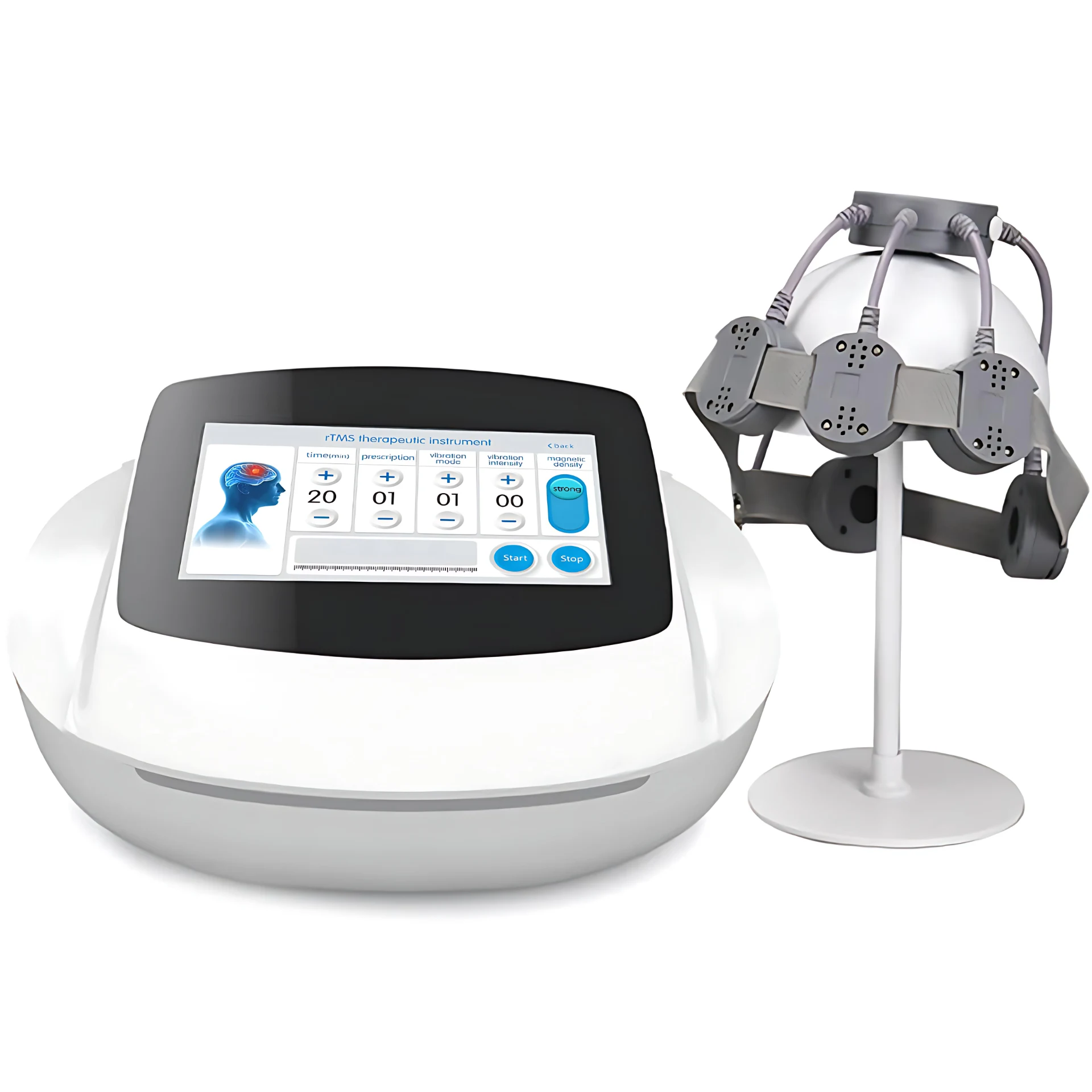
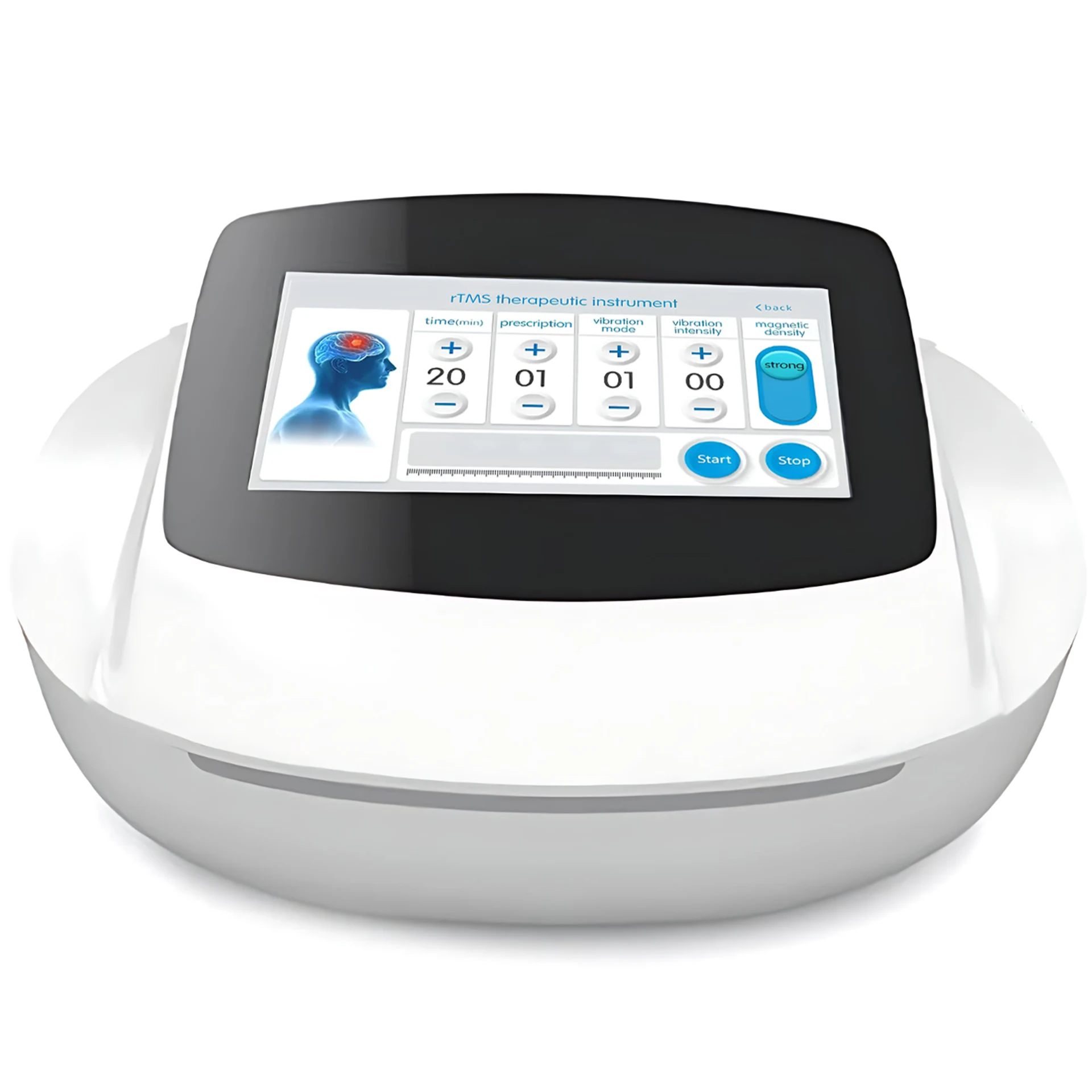
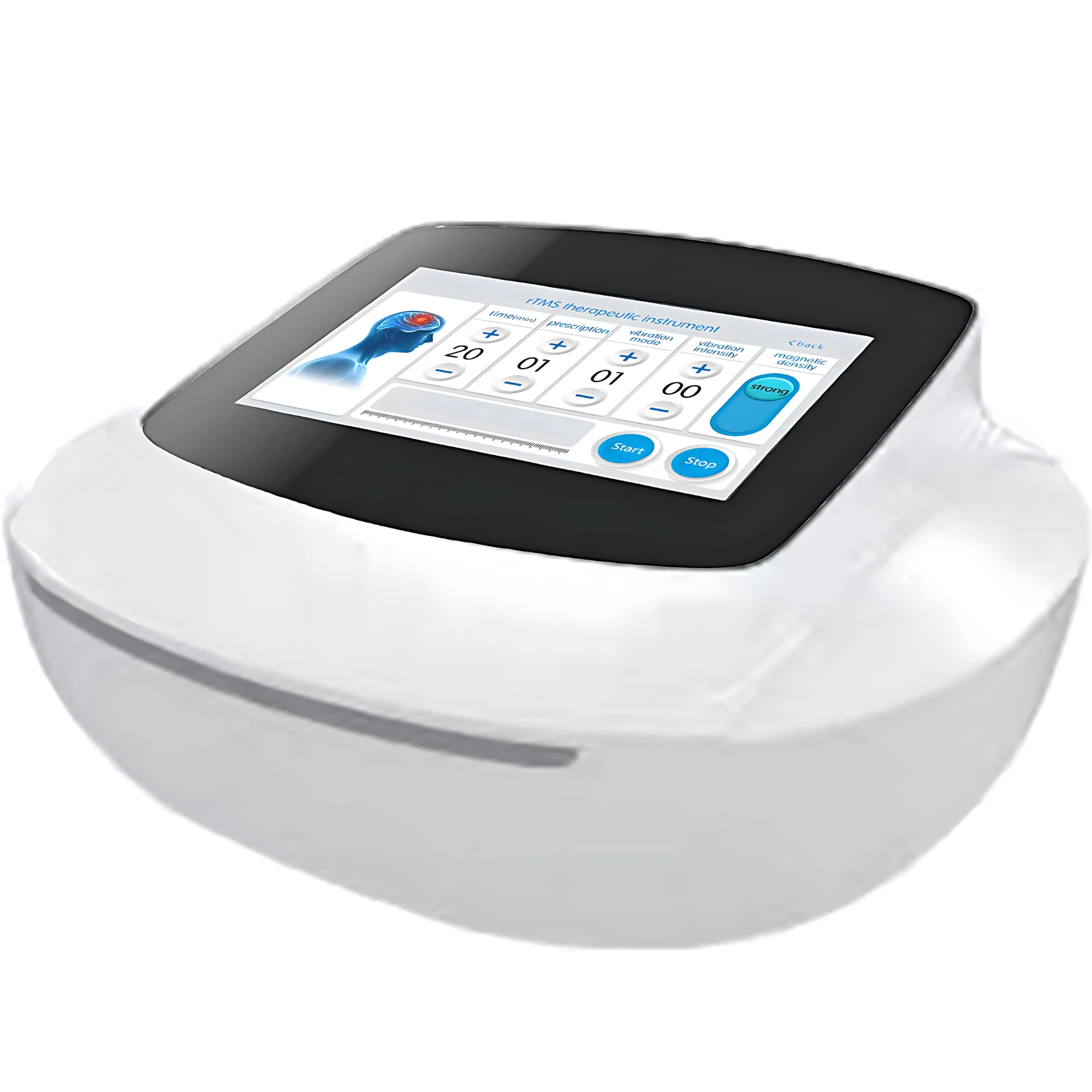
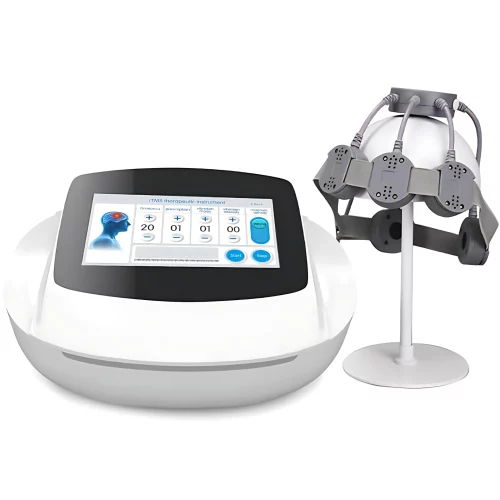
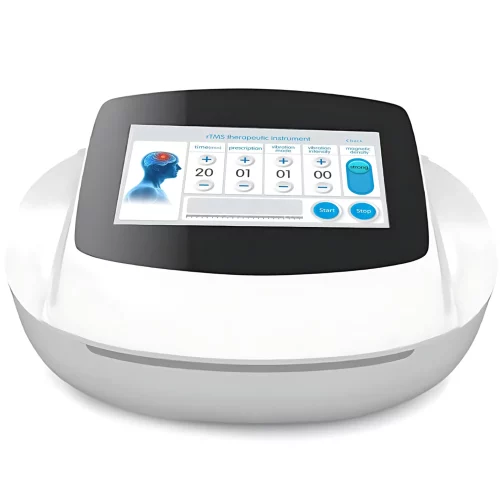
This Transcranial Magnetic Stimulation (TMS) machine is primarily designed for the treatment of Alzheimer’s disease and depression, while also serving as an adjunctive therapy for cerebrovascular and neurological disorders (such as stroke rehabilitation, cerebral infarction, and migraines), mental health issues (including anxiety and insomnia), recovery from brain injuries (such as concussions and cerebral palsy), and movement disorders (such as Parkinson’s disease and tremors). Non-invasive and painless, the device generates a magnetic field capable of penetrating the skull to a depth of 5–8 cm, thereby targeting key brain regions. Weighing only 6 kg and featuring full touchscreen operation, it is user-friendly—requiring no specialized expertise—and is suitable for a wide range of settings, including homes and clinics. The system supports multi-dimensional parameter adjustment (including treatment duration ranging from 20 to 95 minutes, vibration intensity levels 1–10, and adjustable magnetic field strength settings) and comes equipped with a specialized treatment cap. Compatible with users of all age groups, the device effectively balances safety considerations with individualized therapeutic needs.
Description
|
Magnetic Field Strength
|
the weak stage is 6mT~10mT, the strong stage is 11mT~19mT;
|
|
Vibration Intensity
|
1~10 range is adjustable
|
|
Vibration Mode
|
12 adjustable modes
|
|
Treatment time
|
within the range of 0-30 minutes, ±1 minute each time
|
|
Function
|
vibration massage
|
|
Prescription
|
1–7: variable frequency; 8–16: fixed frequency
|
|
Types of Magnetic Therapy Caps
|
adults / children (Default: Adult)
|
|
Environmental temperature range
|
5℃~40℃
|
|
Rated input power
|
150VA
|
|
Power
|
AC 220V±22V
|
Who Can Benefit From This Machine?
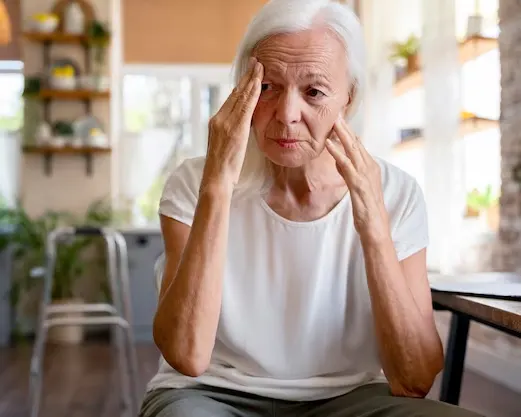
Cerebrovascular Neurological Disorders
Stroke rehabilitation
Cerebral infarction
Migraine and vertigo
Moyamoya disease
Tinnitus
Alzheimer’s and aphasia
Cerebral blood flow insufficiency
Tourette’s syndrome

Mental Health Conditions
Depression
Anxiety
Insomnia and sleep disorders
Autism spectrum disorder
Schizophrenia
Mania
Neurasthenia
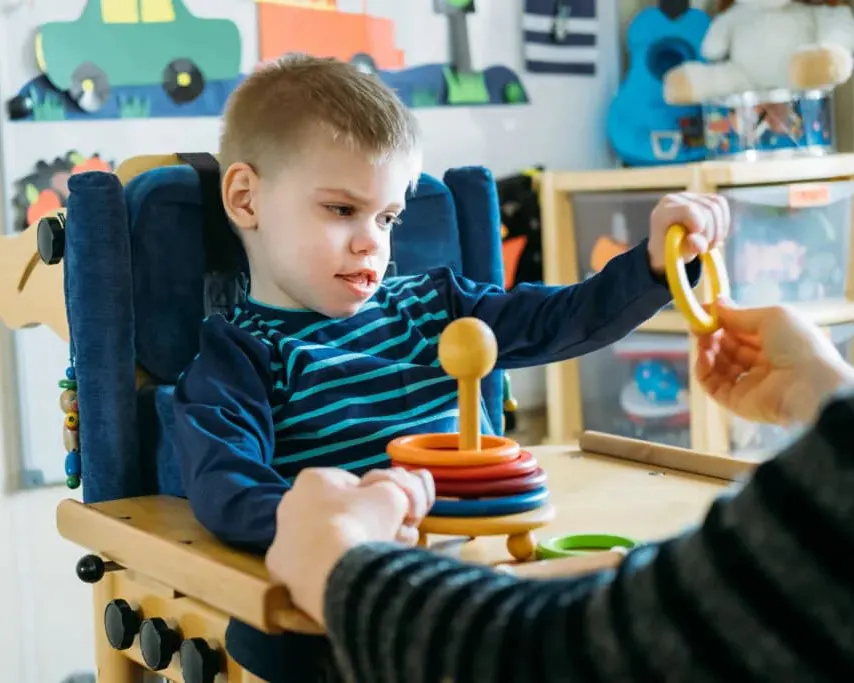
Brain Injury Recovery
Cerebral concussion
Children’s cerebral palsy
Post-brain injury sequelae
Recovery from cerebral hemorrhage
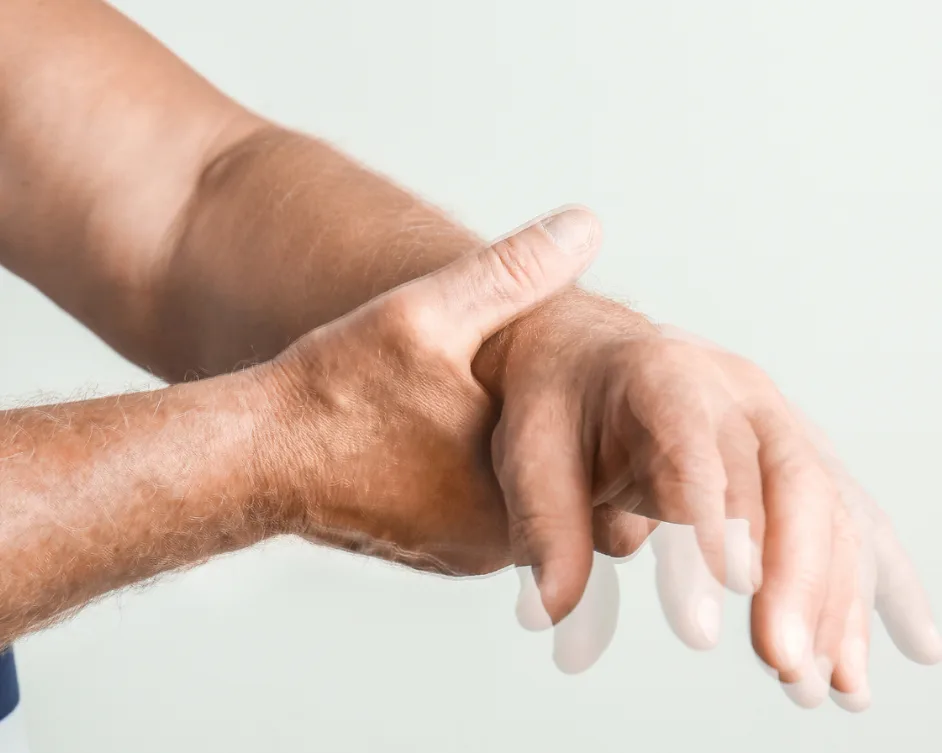
Movement Disorders
Parkinson’s disease
Dystonia
Tremors
Product Features and Advantages
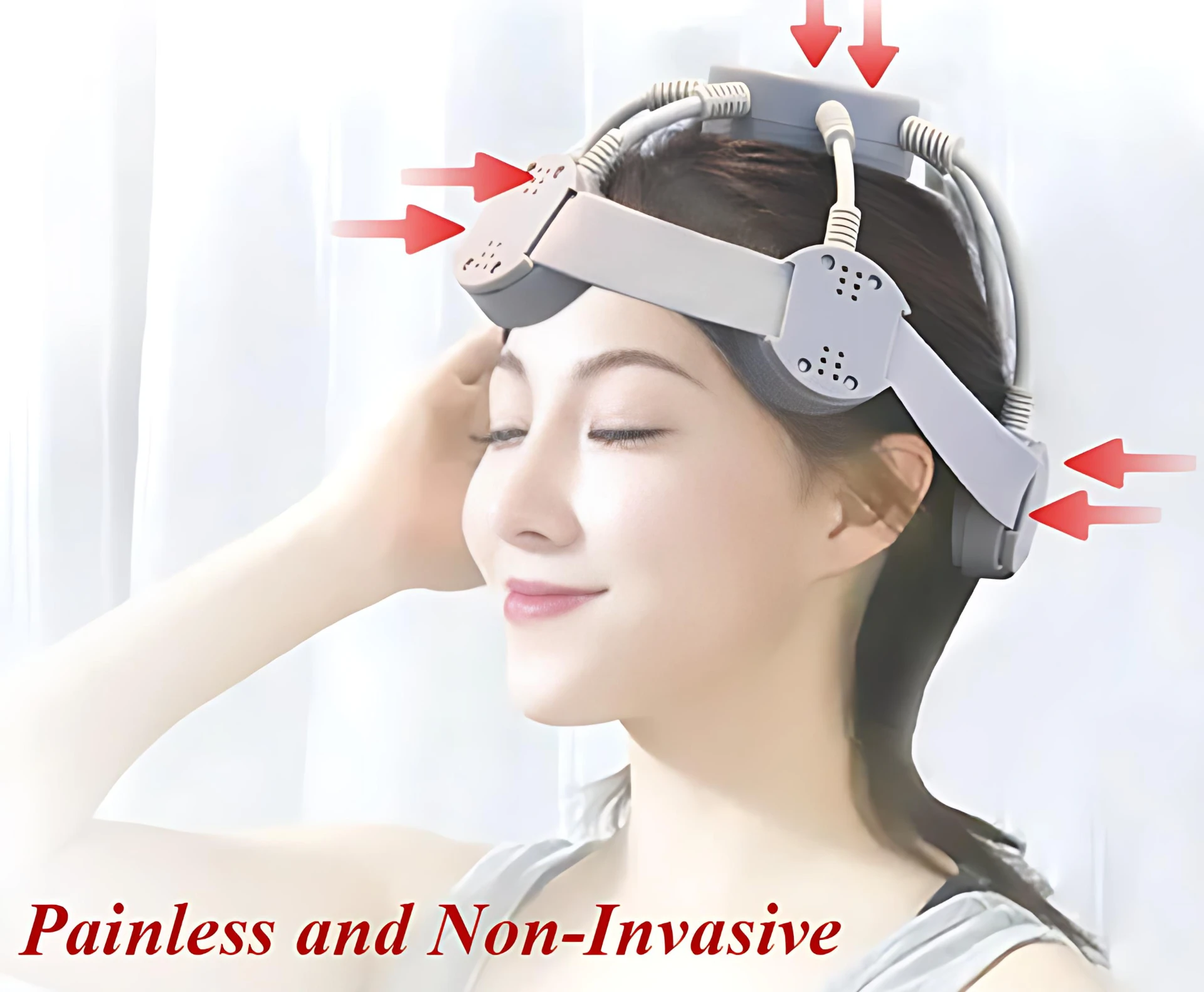
Painless and Non Invasive
Utilizing a purely physical form of transcranial magnetic stimulation therapy, this approach constitutes a non-invasive mode of physical treatment. The entire treatment process requires no injections, oral medications, punctures, or surgical incisions, thereby causing no traumatic stimulation to the scalp, skull, or brain tissue. The procedure is gentle and soothing; patients experience a sense of comfort without any pain, and—being free of side effects and traumatic risks—it can be used with complete peace of mind by people of all age groups.
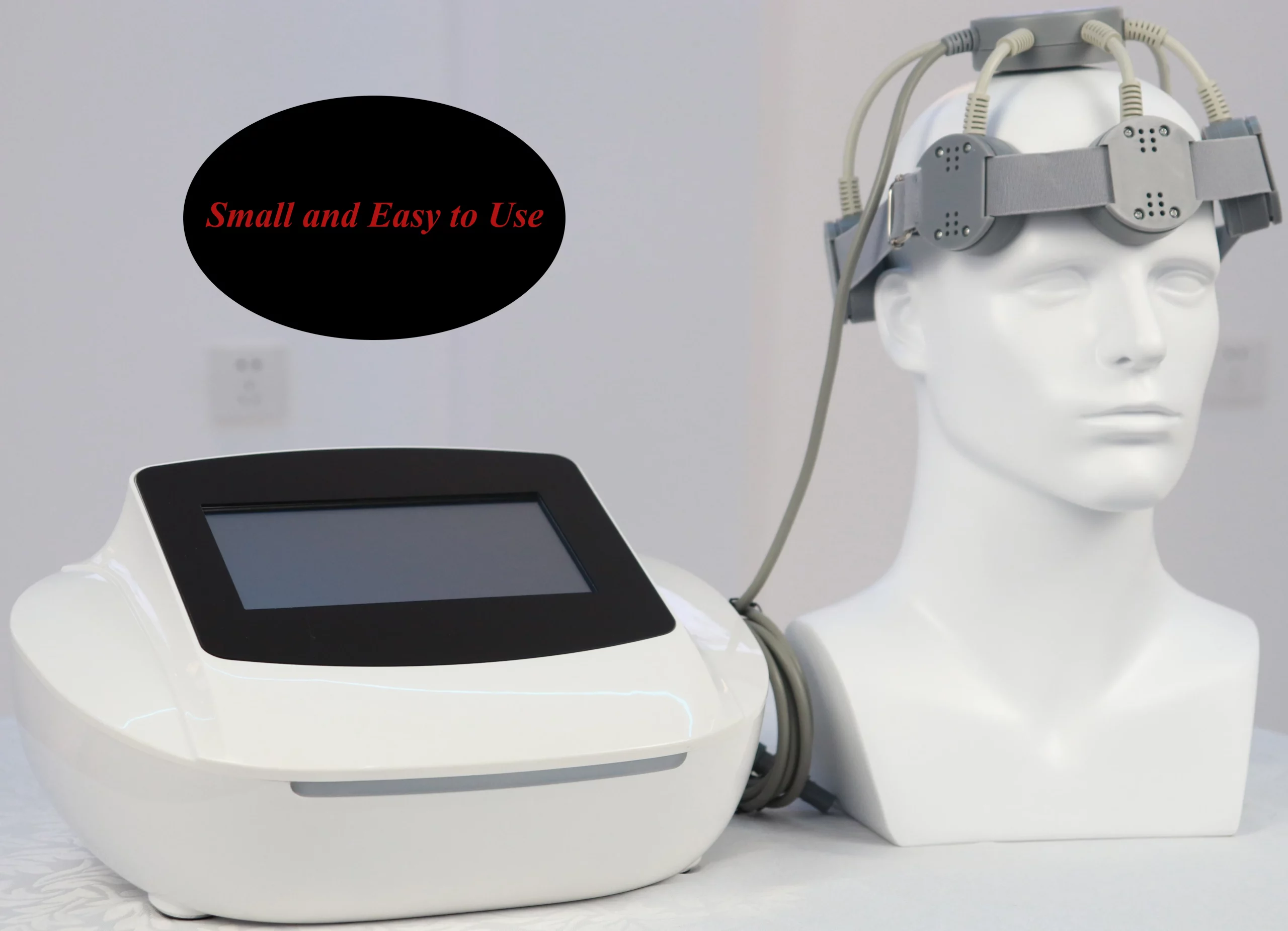
Easy to Use
The device is simple and intuitive to operate, featuring a large, high-definition touchscreen panel with clearly labeled function buttons. No specialized technical expertise is required; with just a few simple steps, users can select modes and adjust parameters. Its low barrier to entry ensures that even the elderly and complete beginners can easily operate the device independently.
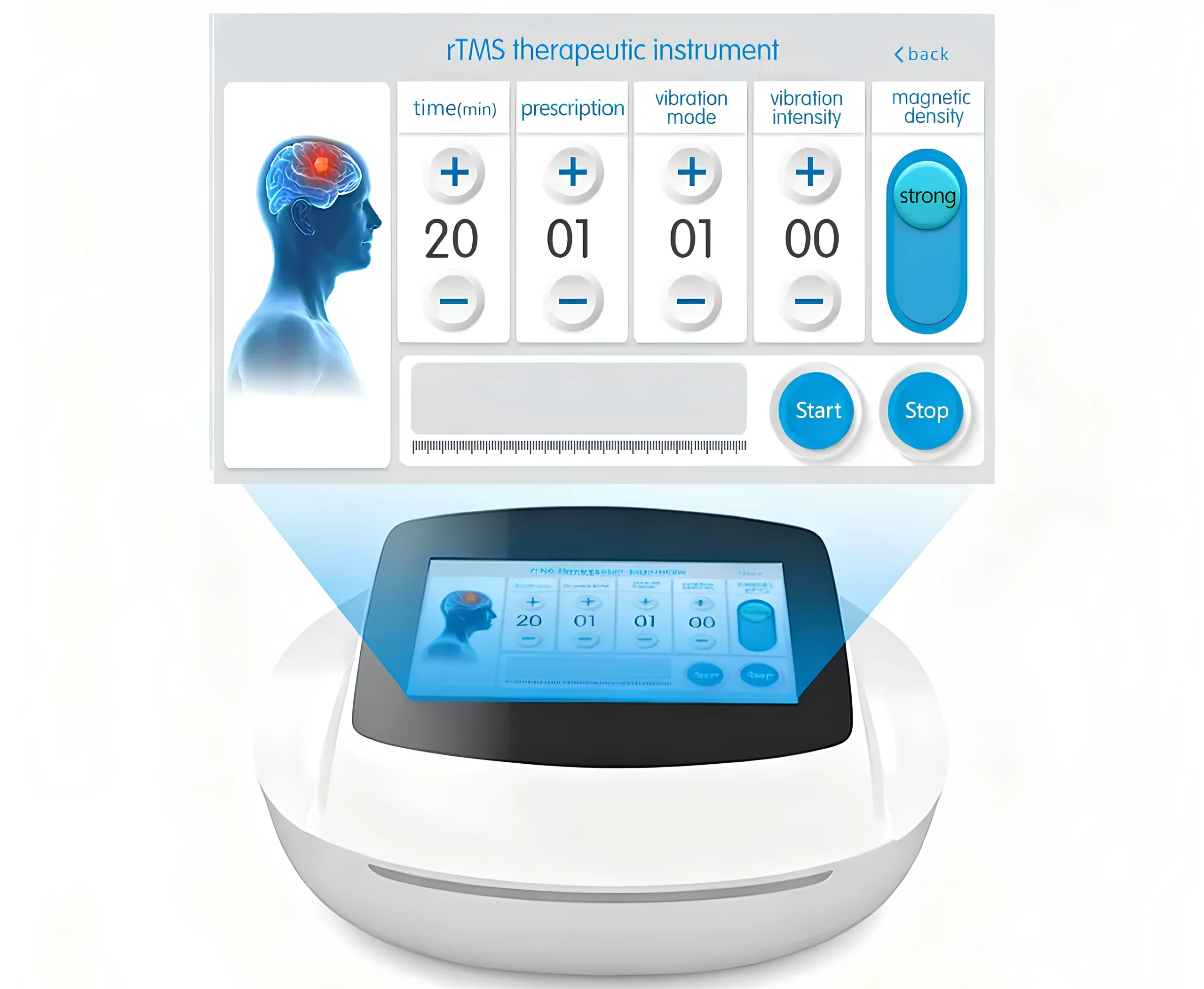
Full Touchscreen Operation Panel
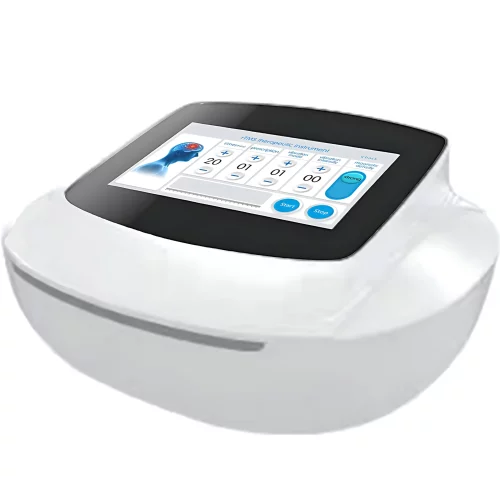
Equipped with a full-touch control panel. The large touch screen displays parameters including treatment time, prescriptions, vibration mode and intensity, as well as magnetic field intensity clearly, enabling convenient and efficient operation.
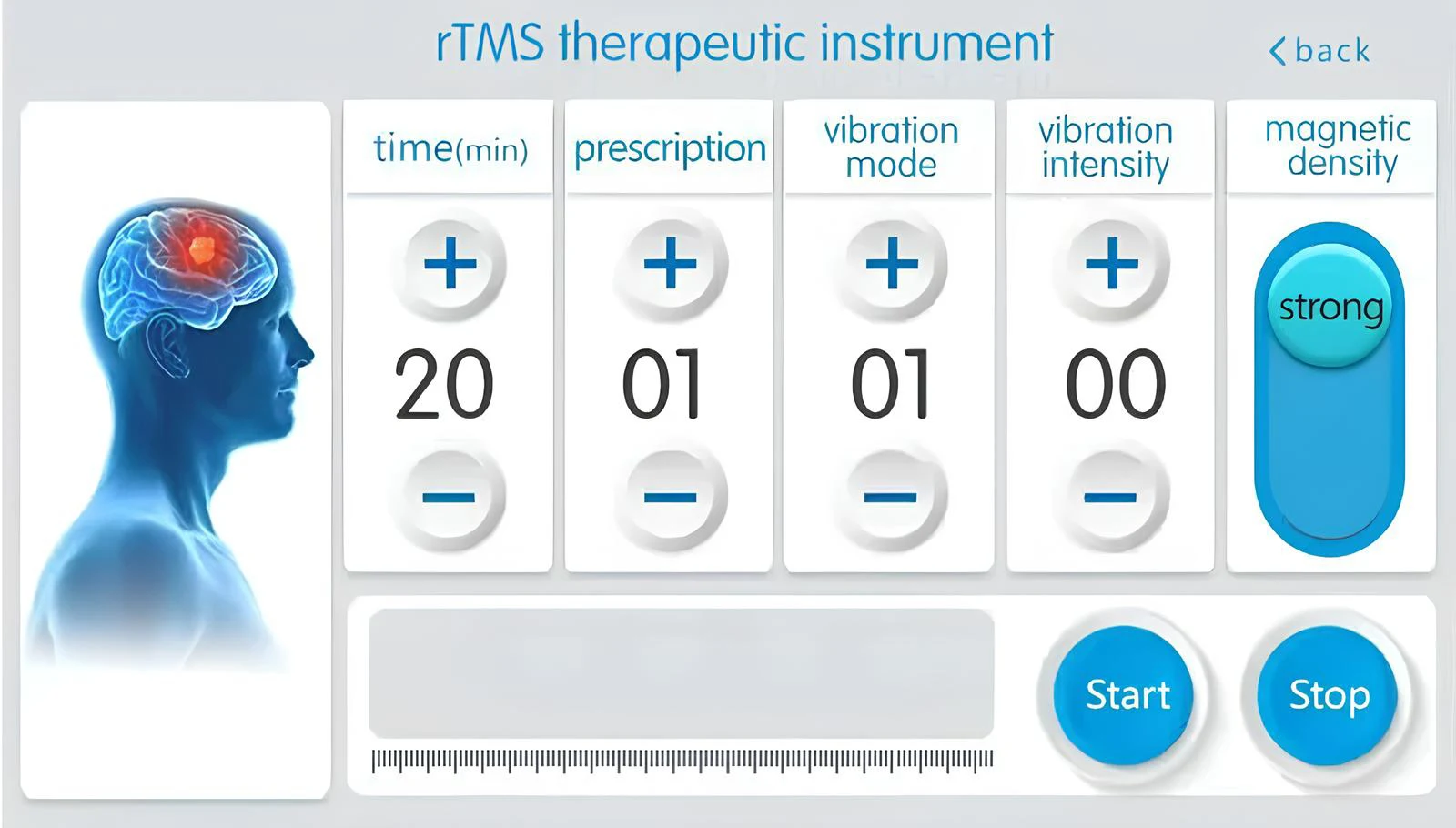
Adjustable Parameters
Multiple parameters are adjustable, including treatment time, magnetic field strength and vibration level to customize personalized therapy.
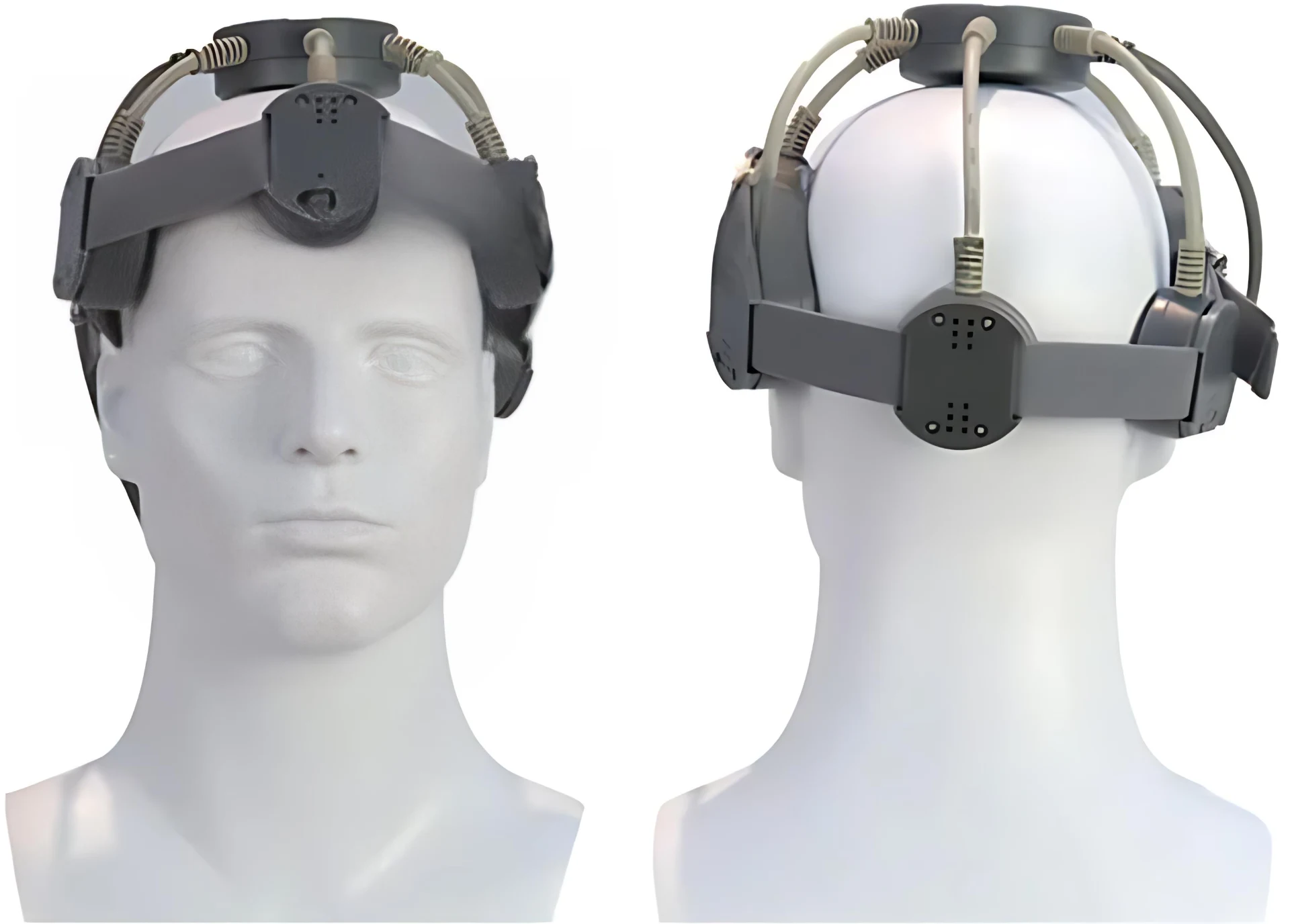
Magnetic Therapy Cap
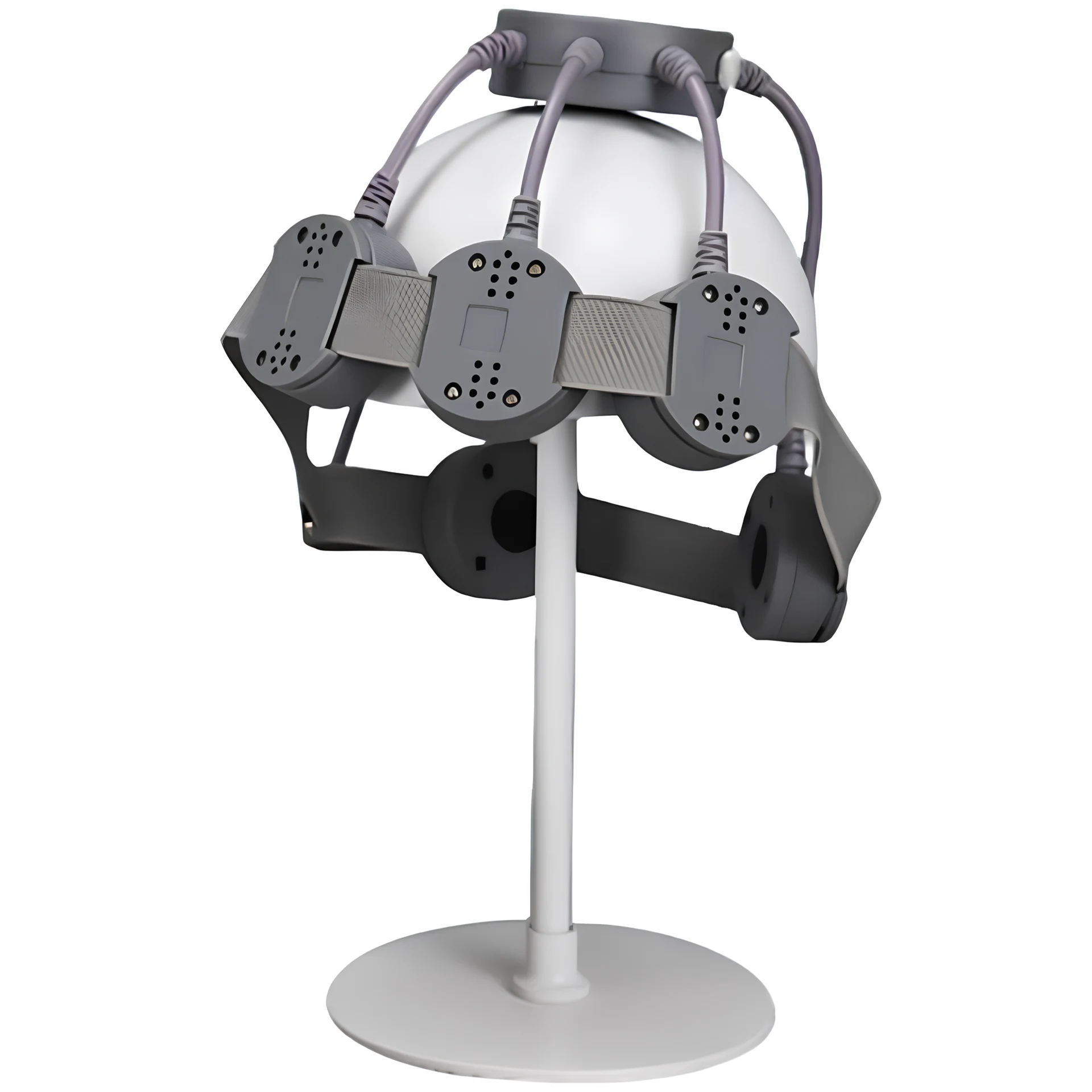
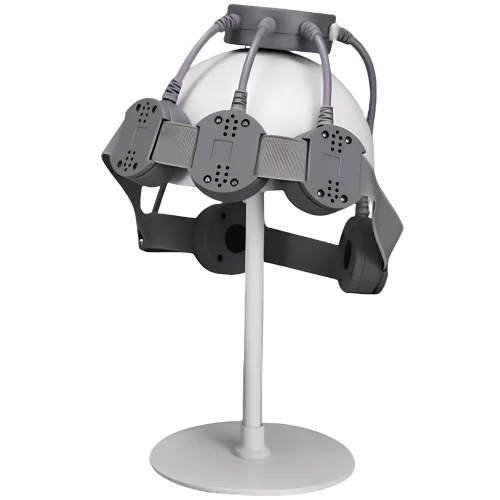
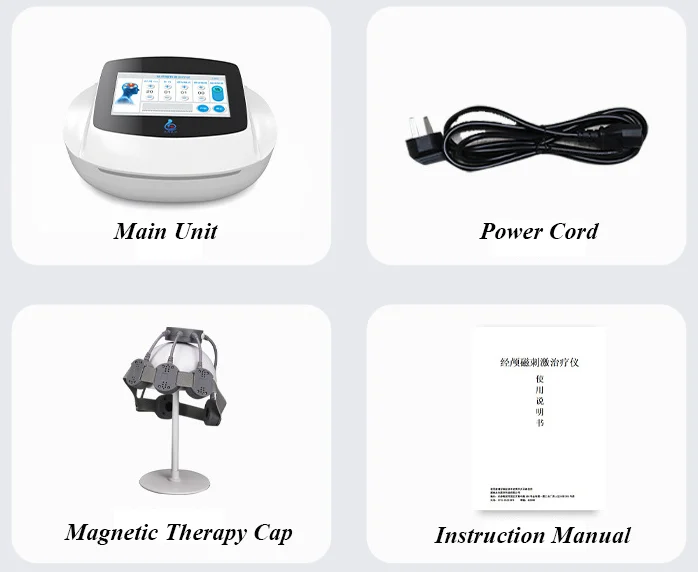
The all-round three-dimensional mesh magnetic therapy cap fully covers the head. Magnetic fields with specific intensity and frequency generated by magnetic stimulation coils penetrate the scalp and skull, acting precisely on specific cerebral cortex areas and head acupoints.Standard configuration comes with adult magnetic therapy cap. Please leave a note if you need the child version.
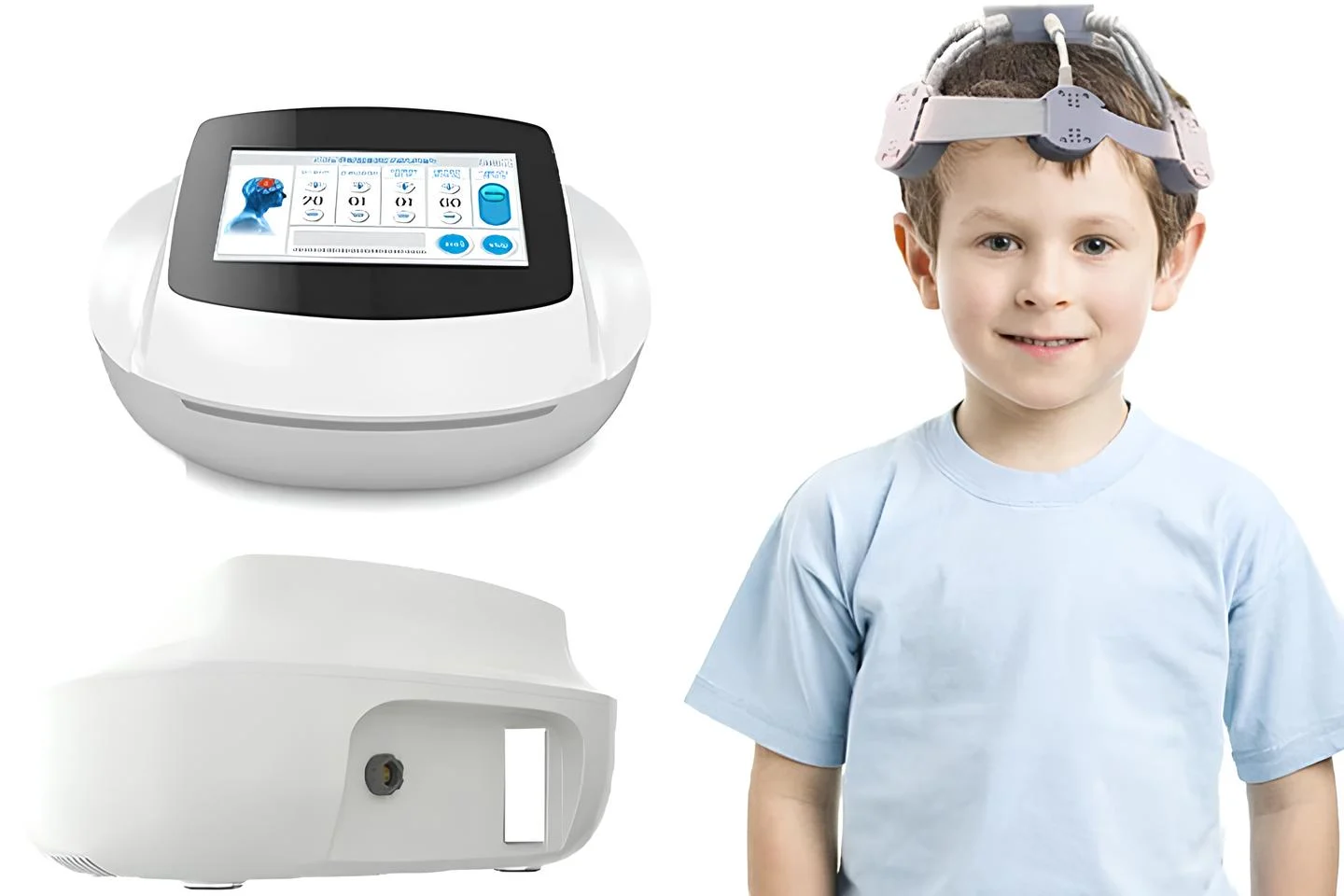
Suitable for All Ages
The device suits people of all ages with customized modes for different physical conditions and dedicated therapy caps. It helps seniors maintain brain health and relieve illnesses, comforts children with gentle intensity, and supports daily brain care for adults. Featuring strong compatibility and wide application range, it is safe for the whole family to use.
Three Key Therapeutic Mechanisms
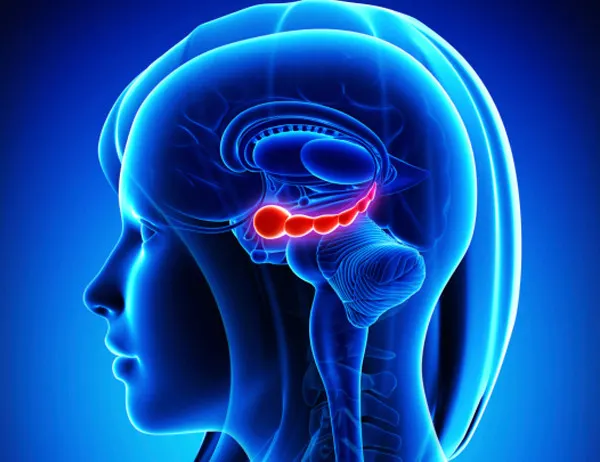
Suppressing Abnormal EEG and Reshaping Brain Function
For conditions accompanied by “disordered brain electrical activity”—such as epilepsy and depression—the device’s alternating magnetic field can interfere with and suppress the generation and propagation of abnormal electrical signals (e.g., by reducing abnormal discharges during epileptic seizures or modulating the hypoactive electrical activity in the prefrontal cortex of patients with depression). Simultaneously, through continuous, repetitive stimulation, the device gradually guides brain electrical activity toward a normal rhythm and remodels intracerebral functional networks (such as those governing emotion regulation and cognitive control), thereby restoring brain function from a “disordered state” to a stable, normal operational mode.
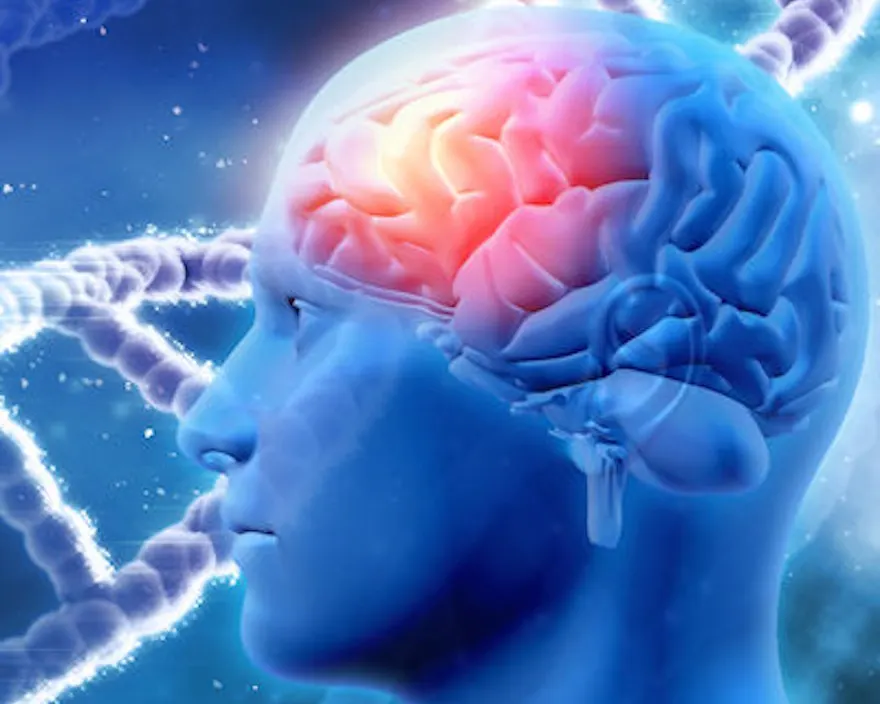
Revitalizing Damaged Brain Cells and Repairing Brain Damage
The repetitive magnetic pulses emitted by the device (rTMS technology) target dormant or dysfunctional brain cells; by regulating cell membrane potentials and promoting the synthesis and release of neurotransmitters—such as serotonin and dopamine—this process facilitates the restoration of the brain cells’ intrinsic signal transduction functions. Simply put, it serves to “awaken” normal brain cells that have been impaired by neurological disorders (such as depression or stroke), repair damaged neural pathways, and enhance the efficiency of signal transmission between neurons, thereby alleviating issues such as mood disturbances and cognitive decline resulting from diminished brain cell function.
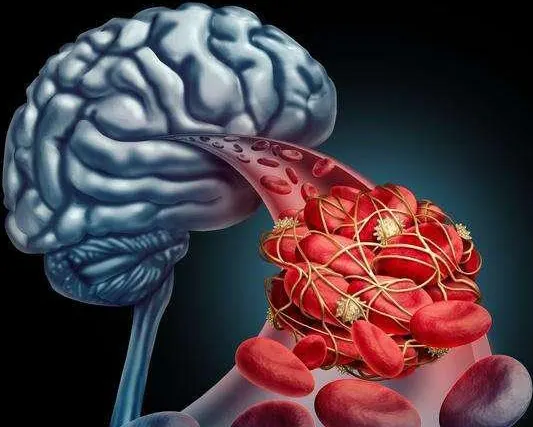
Improve Cerebral Circulation and Establish Collateral Circulation
Magnetic pulse stimulation exerts an indirect influence on the cerebrovascular system: on the one hand, it enhances cerebrovascular elasticity, dilates cerebral microvessels (microcirculatory channels), and increases cerebral blood perfusion, thereby providing brain cells with a more abundant supply of oxygen and nutrients; on the other hand, long-term, regular stimulation promotes the establishment of cerebral collateral circulation—that is, the formation of new “backup vascular pathways.” Consequently, even in the presence of pre-existing cerebrovascular stenosis or functional abnormalities, these new pathways can safeguard cerebral blood supply, fundamentally improving the metabolic environment of the brain and thereby aiding in stroke rehabilitation while alleviating cognitive impairments associated with chronic cerebral ischemia.
How to Use
Treatment Course Recommendations
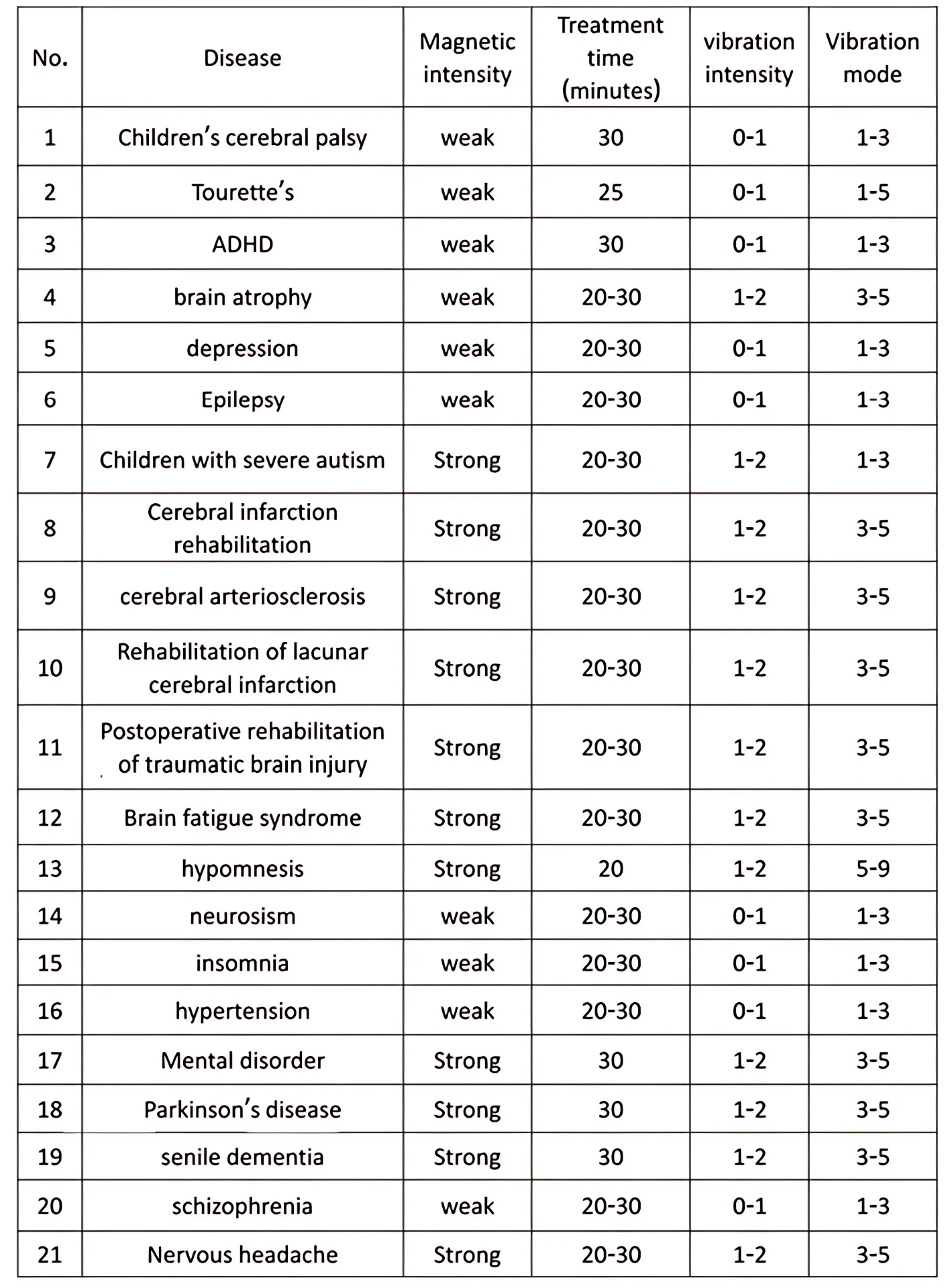
Application Scenarios
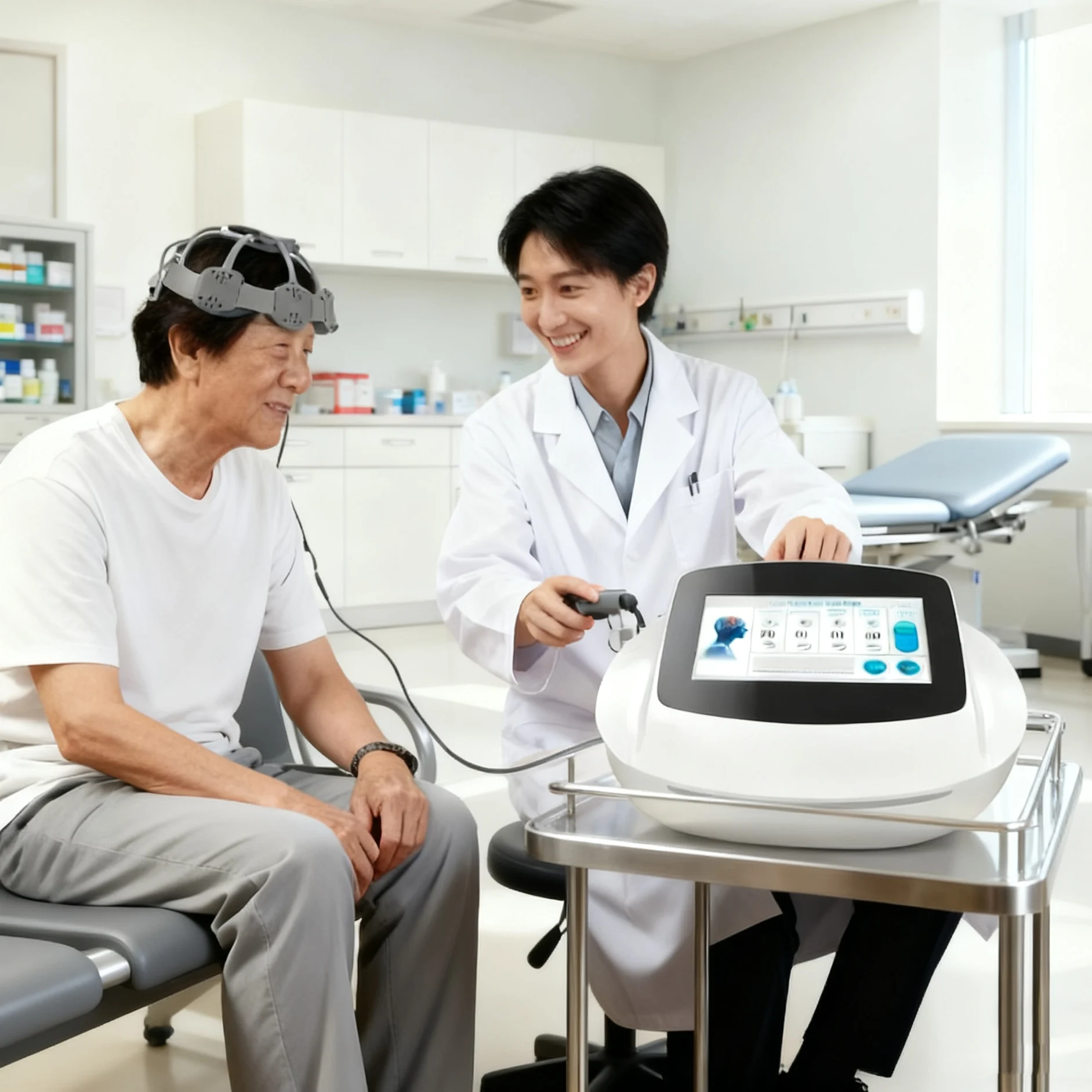
Clinics
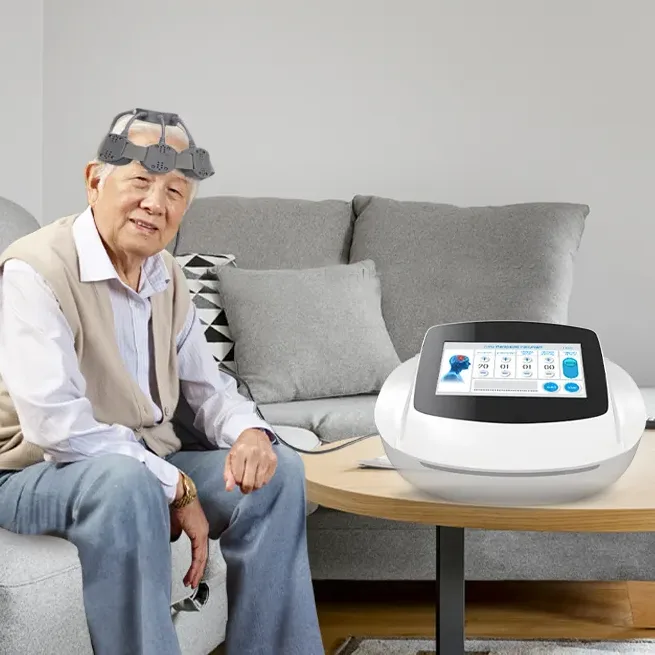
Home
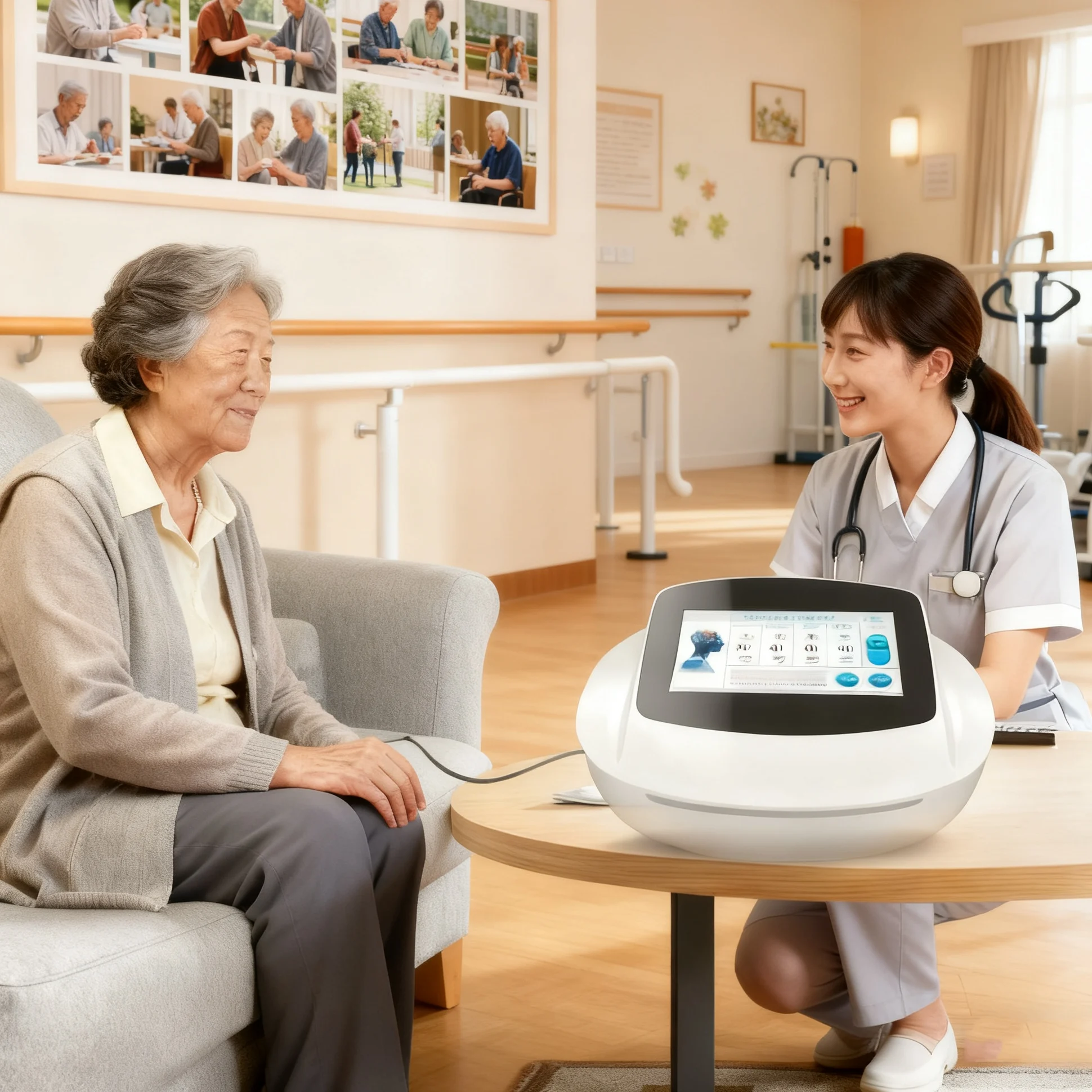
Nursing Homes
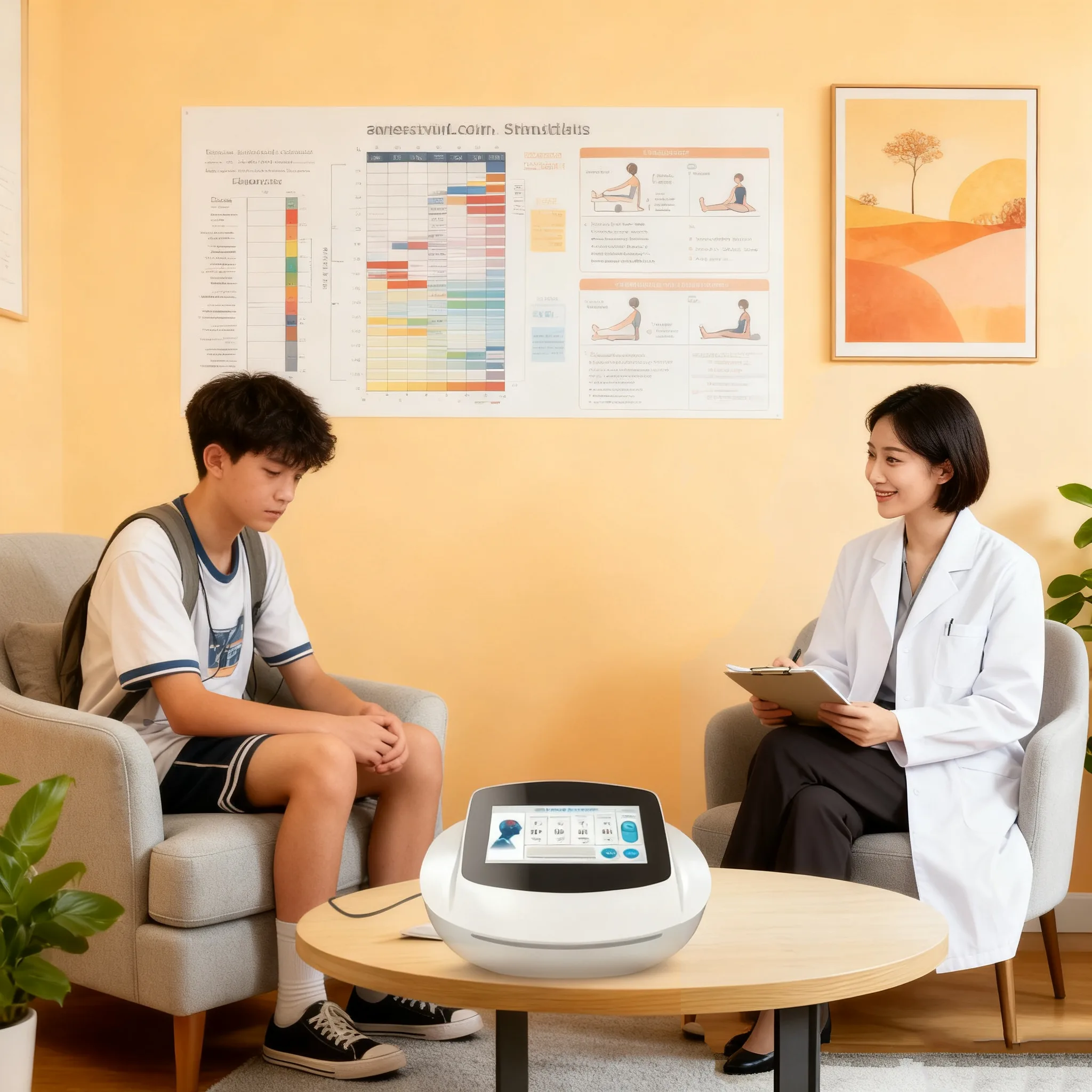
Psychological Counseling Centers
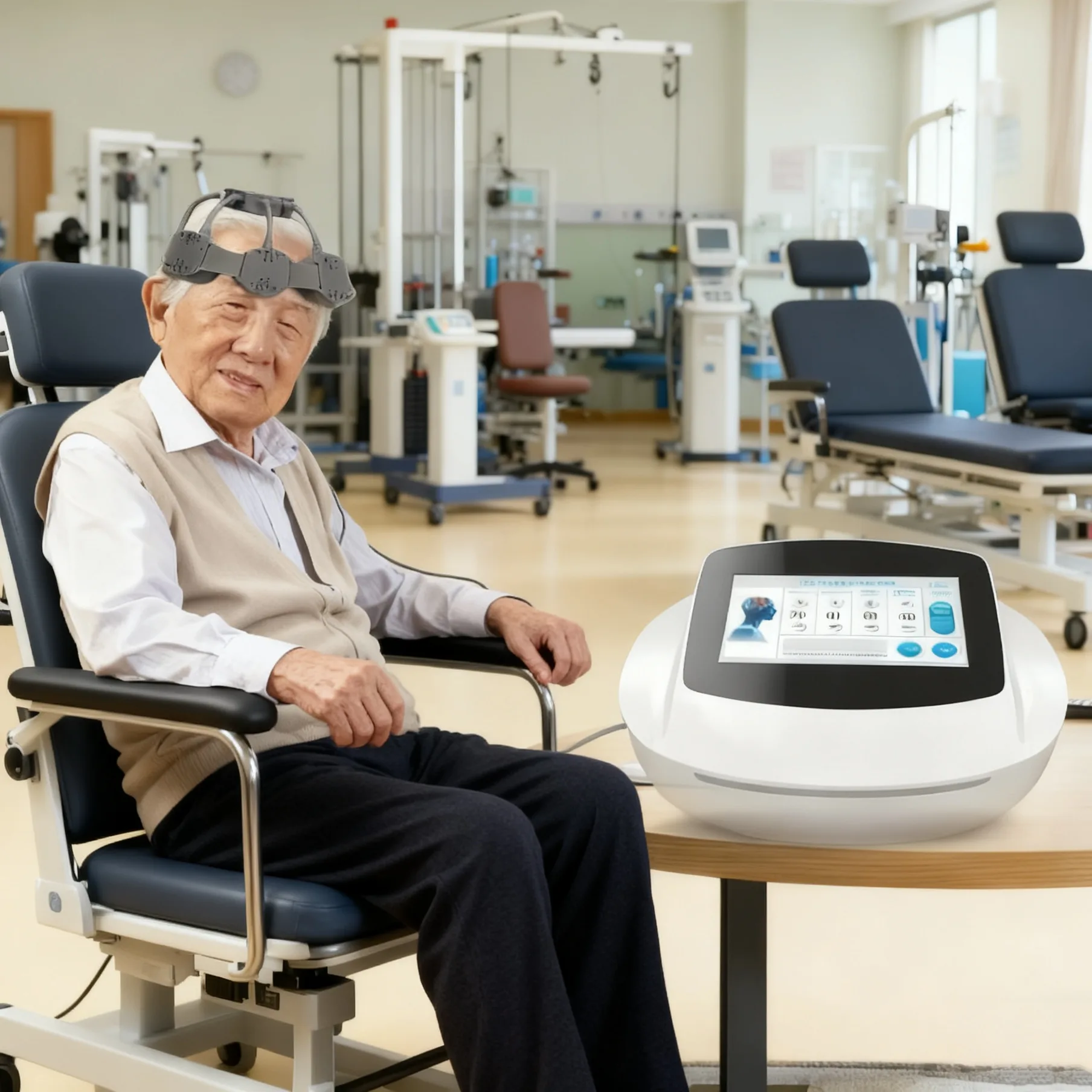
Rehab Center
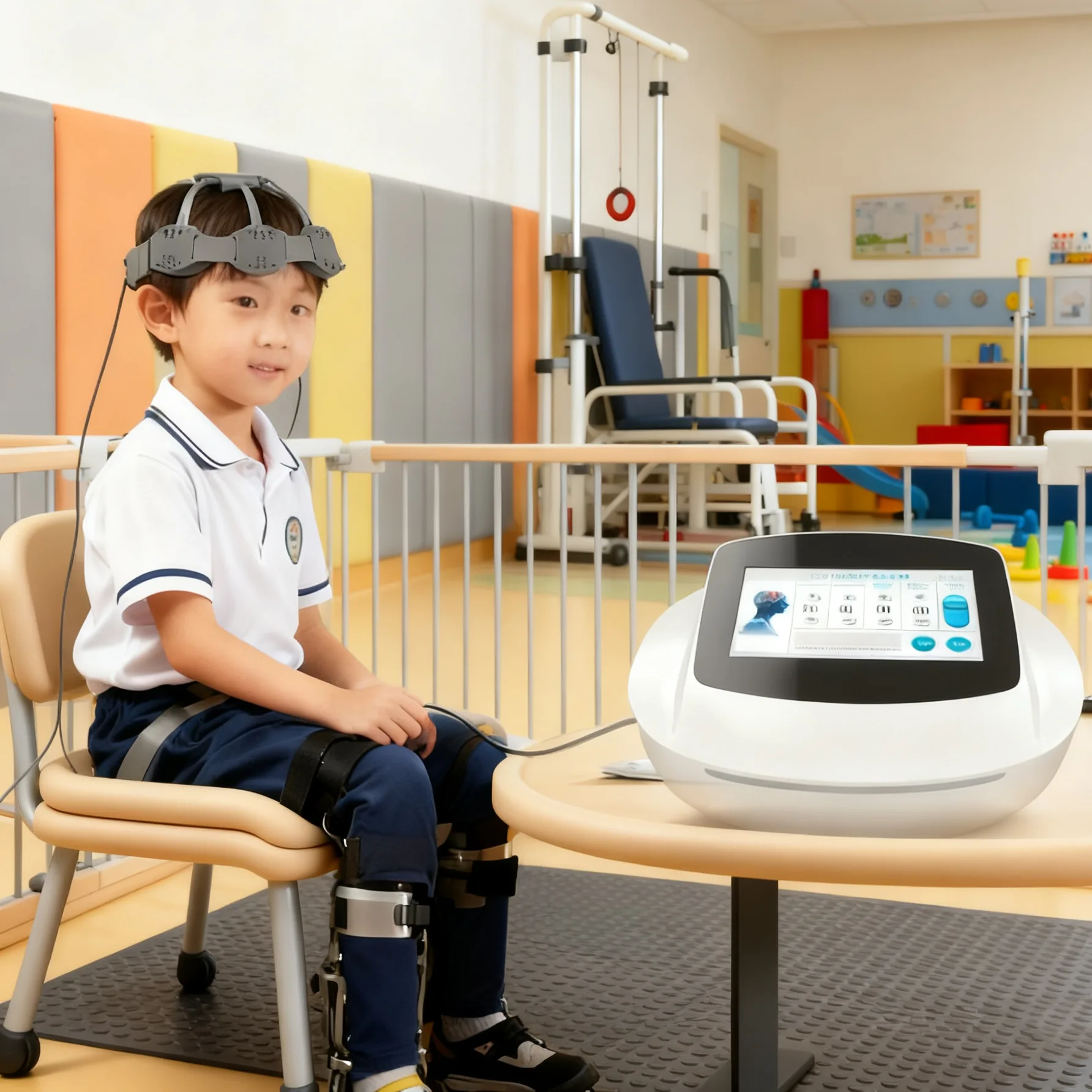
Special Schools
Functions and Improvements

Alzheimers
1. Mechanism of Action
Alzheimer’s disease is characterized primarily by the degeneration of neurons in cognition-related brain regions (specifically the hippocampus and prefrontal cortex), the weakening of synaptic connections, and the manifestation of behavioral and psychological symptoms (BPSD)—such as hallucinations and delusions. The rTMS technology employed by this device enhances cortical excitability through a mechanism known as “Long-Term Potentiation” (LTP). After penetrating the skull, the magnetic field targets key areas—including the hippocampus (the center for memory formation) and the prefrontal cortex—to facilitate autonomous signal transmission within damaged neurons and strengthen synaptic connections. Simultaneously, it suppresses abnormal brainwave activity (such as the disordered neuronal firing that triggers hallucinations), thereby alleviating the cognitive and behavioral impairments associated with neurodegeneration.
2. Post-Treatment Improvements
Cognitive Function: Short-term memory improves, enabling patients to recall family members’ names and their home address, and to recollect minor recent events (e.g., “I ate eggs for breakfast this morning”). Furthermore, the frequency of forgetting significant events from long-term memory (e.g., children’s birthdays) is reduced.
Behavioral Abnormalities: Symptoms of BPSD—such as hallucinations (e.g., “seeing people who aren’t there”) and delusions (e.g., “suspecting family members of theft”)—gradually subside. Patients cease engaging in disruptive behavior or wandering aimlessly at night, and their emotional state becomes more stable.
Self-Care Capabilities: Patients regain the ability to independently perform simple daily activities, such as dressing themselves, eating, and organizing personal belongings; they may even be able to assist family members with light household chores (e.g., wiping tables or folding laundry).

Depression
1. Mechanism of Action
The core pathology of depression is associated with functional abnormalities in the brain regions responsible for emotional regulation (such as the dorsolateral prefrontal cortex, or DLPFC), as well as a deficiency in the secretion of “happiness neurotransmitters”—such as serotonin (5-HT) and norepinephrine (NE). Utilizing rTMS technology, this device precisely targets emotion-related brain regions—including the prefrontal cortex and the limbic system—with magnetic fields of specific frequencies. On one hand, it corrects states of excessive inhibition or excitation within these abnormal brain regions, thereby restoring coordinated activity between different areas of the brain. On the other hand, it promotes the release of neurotransmitters—such as serotonin and dopamine—to compensate for deficient levels, thereby enhancing emotional regulation capabilities at a physiological level.
2. Post-Treatment Improvements
Emotional State: Persistent low mood and feelings of pessimism or hopelessness are significantly alleviated; interest in daily activities (such as hobbies and social engagements) is gradually restored; and feelings of “meaninglessness” and “self-blame” are reduced.
Somatic Symptoms: Accompanying physical symptoms—such as insomnia, early-morning awakening, and changes in appetite (either reduction or increase)—are improved, and body weight gradually returns to a normal range.
Social Functioning: Individuals are able to actively participate in family interactions, work, or academic studies; they no longer avoid social situations; they are able to complete simple daily tasks (such as shopping or commuting); and their overall energy levels are enhanced.
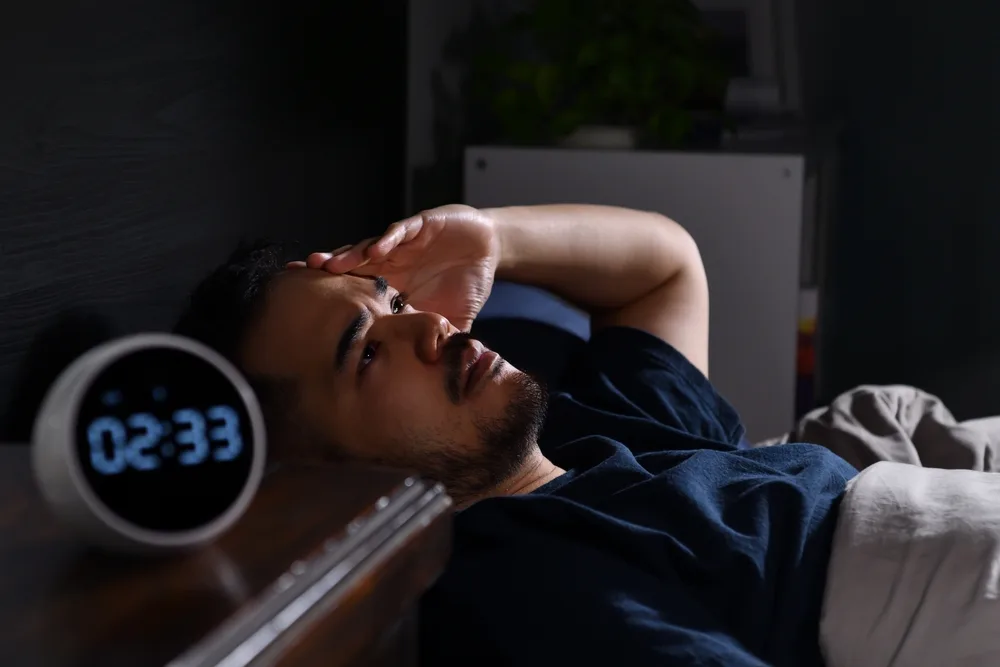
Insomnia
1. Mechanism of Action
At the core of insomnia lies a disturbance in the brainwaves within the sleep centers (specifically the prefrontal cortex and hypothalamus), or an insufficient secretion of sleep-regulating neurotransmitters such as serotonin and melatonin. This device improves sleep through a “dual-action regulation” mechanism: on one hand, rTMS applies a gentle magnetic field to the prefrontal cortex, modulating chaotic brainwaves (such as hyperactive beta waves) into normal sleep rhythms (such as the delta waves characteristic of slow-wave sleep and the theta waves associated with light sleep); on the other hand, the accompanying vibration massage function relaxes head muscles and alleviates anxiety, thereby reducing “pre-sleep rumination” and creating both the physiological and psychological conditions necessary for falling asleep.
2. Post-Treatment Improvements
Sleep Onset Efficiency: The time required to fall asleep is reduced from “over 30 minutes” to “within 15–20 minutes,” eliminating the need to “count sheep until dawn.”
Sleep Quality: The frequency of nighttime awakenings decreases from “≥2 times” to “0–1 time”; symptoms of early-morning awakening (e.g., waking up at 3:00 AM and being unable to fall back asleep) are alleviated, allowing for 6–8 hours of continuous sleep.
Daytime Functioning: Users no longer experience frequent daytime drowsiness or mental fog; instead, they feel energetic and capable of performing work or academic tasks normally, while also experiencing a reduction in the irritability and agitation often associated with sleep deprivation.

Parkinsons
1. Mechanism of Action
At the core of Parkinson’s disease lies the impairment of dopaminergic neurons within the brain’s basal ganglia, leading to the abnormal activation of neuroinflammation in the motor cortex and the disruption of motor signal transmission. The rTMS therapy delivered by this device operates through a dual mechanism: on one hand, it modulates peripheral regulatory T cells (Tregs) to suppress neuroinflammatory responses and mitigate further damage to dopaminergic neurons; on the other hand, it targets motor-related brain regions—such as the motor cortex and basal ganglia—to enhance the excitability of motor neural pathways and restore impaired motor signal transmission.
2. Post-Treatment Improvements
Motor Symptoms: Limb tremors (e.g., the “pill-rolling tremor” of the hands) are significantly alleviated, and the frequency of resting tremors is reduced; limb rigidity (e.g., “stiff joints”) is relieved, enabling patients to voluntarily bend their arms and lift their legs; bradykinesia (e.g., “shuffling gait” or “slow turning”) improves, resulting in a steadier gait and increased stride length.
Self-Care Abilities: Patients are able to independently perform fine motor tasks—such as using chopsticks to eat, buttoning clothes, and tying shoelaces—without requiring assistance from family members.
Quality of Life: The reluctance to venture outdoors—often stemming from motor impairments—is diminished; patients are able to take short walks and go shopping, leading to increased participation in social activities.
Stroke Rehabilitation
1. Mechanism of Action
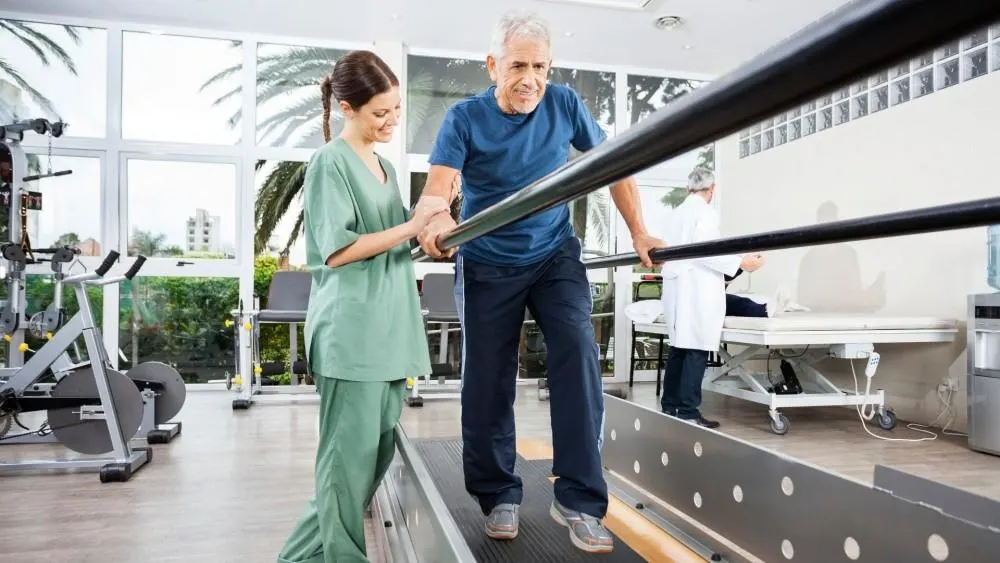
Following a stroke (such as cerebral infarction or cerebral hemorrhage), regions of the brain—including the motor cortex and language centers (Broca’s and Wernicke’s areas)—sustain damage due to ischemia or hemorrhage, resulting in symptoms such as motor impairments and aphasia. The rTMS (repetitive Transcranial Magnetic Stimulation) technology employed by this device exerts its therapeutic effects through a mechanism known as “neural remodeling”: magnetic fields penetrate the skull to act directly upon the damaged brain regions, thereby promoting autonomous signal transmission within brain cells (effectively resuscitating compromised neurons). Simultaneously, the treatment improves cerebrovascular elasticity and dilates microcirculation channels (facilitating the establishment of collateral circulation), ensuring an adequate supply of oxygenated blood to the damaged areas and accelerating the restoration of neurological function.
2. Post-Treatment Improvements
Motor Function: Muscle strength is restored in the limbs on the paralyzed side following the stroke (e.g., the right arm and leg); patients regain the ability to voluntarily lift their arms, stand, and walk, and may even be able to ascend and descend stairs while using a wall for support. Fine motor skills (such as grasping a cup or writing) also show gradual recovery.
Language Function (for patients with aphasia): Patients suffering from expressive aphasia become capable of articulating complete short sentences (e.g., “I want some water”) and no longer speak in a halting or disjointed manner. Patients with receptive aphasia gain the ability to comprehend instructions given by family members (e.g., “Hand me the towel”), and instances of providing irrelevant or nonsensical responses are significantly reduced.
Self-Care Capabilities: Patients become capable of independently performing daily activities—such as washing, dressing, and eating—thereby reducing their reliance on family members. Furthermore, some patients may be able to return to light-duty employment (such as office-based clerical work).
Package List
Related products